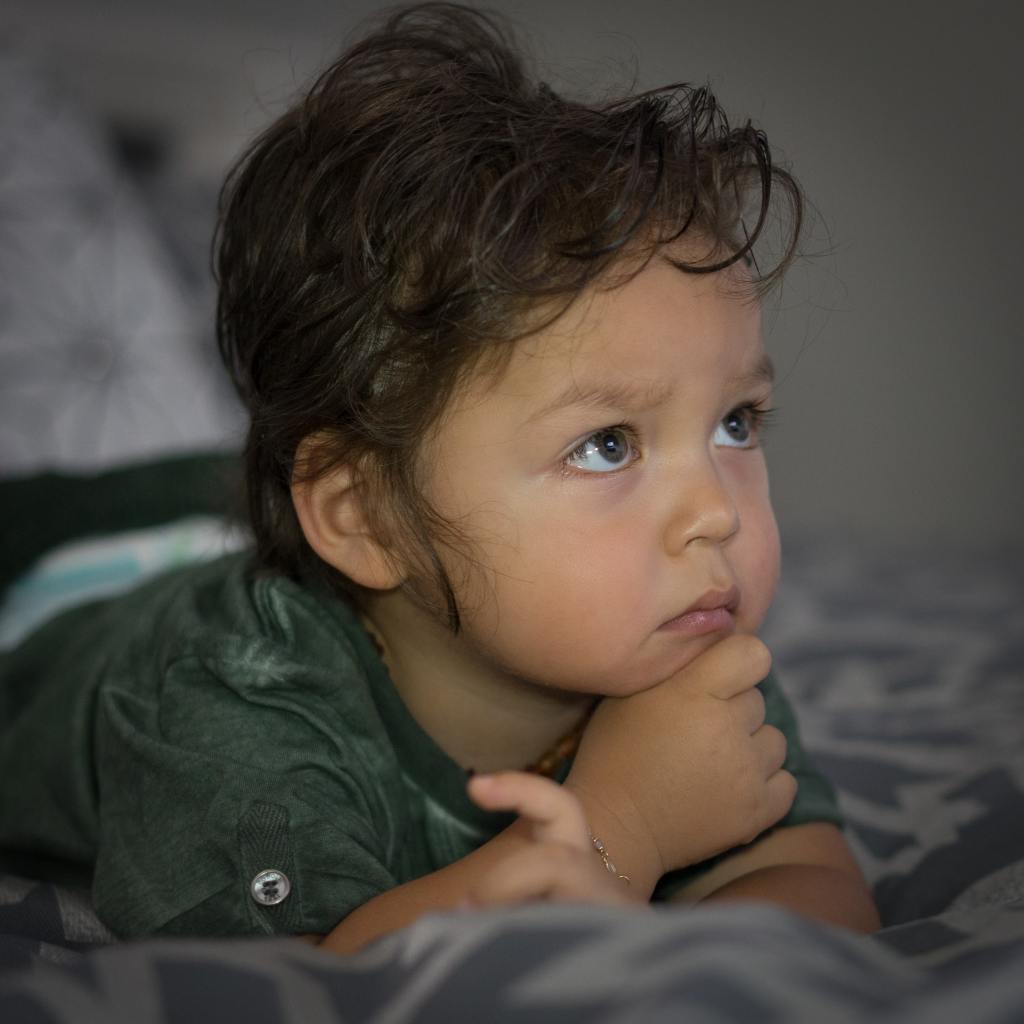
Did you know that trauma can have an impact on the brain far beyond childhood? Trauma is defined as a response to any problematic event that overwhelms an individual’s ability to cope, causes feelings of helplessness, diminishes their sense of self and their ability to feel the full range of emotions and experiences. The event does not have to be real, for instance, a child believing there is a monster under the bed.
Unaddressed trauma can affect the brain in the following ways:
- Smaller brain size
- Less efficient processing
- Impaired stress response
- Changes in gene expression
Let me explain what this means in layman’s terms. The upper part of the brain grows and thrives when children have positive experiences. When children feel unsafe or threatened, then the lower part of the brain thrives. The upper part of the brain controls bonding, learning to talk, and getting along with others. The lower part of the brain possesses the survival instinct. This is not to say that both positions are not essential but that we want to show as much growth as possible in the upper region of the brain.
PTSD is a mental health condition that can develop as a result of trauma. It affects the child’s ability to regulate attention, awareness, and emotions. PTSD can develop as a result of less efficient processing.
Having a response to stress is the body’s way of protecting you. If your stress response is impaired, it opens the child up to headaches, sleep disorders, and a host of other ailments into adulthood like heart disease and Alzheimer’s disease.
Changes in gene expression, in simple terms, means that cells can be altered by trauma and, in turn, alter behaviors in that child.
We all know that trauma is bad for any of us, but especially young children. Being specific about how trauma affects young children helps us as educators to be more thoughtful in our interactions. If you are interested in learning more check out this link https://americanspcc.org/adverse-childhood-experiences/?gclid=CjwKCAjwqML6BRAHEiwAdquMnc5aPeqnrvQl-19JwMg_XBL4o7UUinj27M0-Mc1WXUOsp9o6PYnn_RoC-7QQAvD_BwE
 The Sassy Scholar